
This region in northeastern Bangladesh is known for rolling tea estates, wetland “haor” landscapes that flood seasonally, and lush hills near the Indian border.
Why Visit Sylhet
Sylhet produces the majority of Bangladesh’s tea, with manicured plantation hills that make for a strikingly green landscape uncommon elsewhere in the country. Its seasonal haor wetlands and waterfalls near the Indian border add further natural variety for visitors exploring beyond Dhaka.
Top Experiences
- Sylhet tea gardens: Rolling plantation hills open for walks and tastings across the region.
- Ratargul Swamp Forest: One of the few freshwater swamp forests in the country, explored by small boat.
- Jaflong: A riverside area near the Indian border known for stone collection and hill views.
- Hazrat Shah Jalal Shrine: A significant Sufi shrine in Sylhet city, an important pilgrimage site.

Charubala Homestay: A Community-Based Homestay in, Bangladesh

Full Day Sreemangal Tea Garden & National Park Hiking Tour
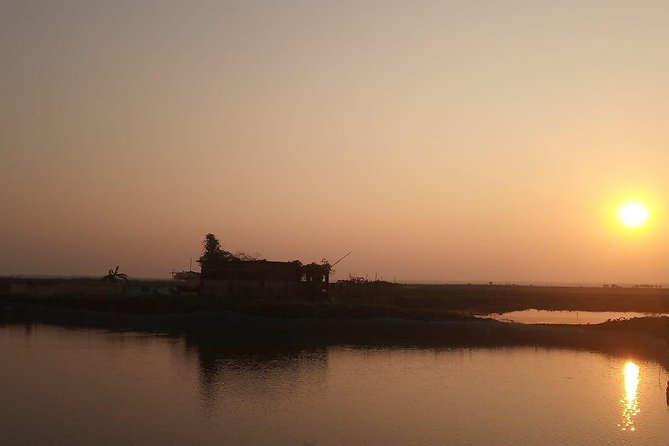


Sylhet City Walking Tour – Culture, Heritage & Traditional Food

Practical Tips
- The haor wetlands are best visited in the dry winter months when roads and paths are more accessible.
- Ratargul Swamp Forest is explored by hired local boat, best arranged from the nearby village.
- Sylhet is reachable by direct flight from Dhaka, taking around 45 minutes.
FAQ
How do I get to Sylhet from Dhaka?
By direct flight, taking around 45 minutes, or by road or rail taking several hours.
What is Sylhet known for?
Its tea gardens, wetland landscapes, and religious shrines.
Is Sylhet good for nature travel?
Yes, its tea hills, swamp forest, and seasonal wetlands offer some of Bangladesh’s most distinctive natural scenery.










Write Your Review
No reviews yet. Be the first to share your experience!