
Carved by glaciers over tens of thousands of years, Norway’s fjords cut deep, steep-walled channels of seawater into the western coastline, with waterfalls dropping straight into the water and farms clinging to impossibly narrow ledges above. No single photograph quite captures the scale of standing at the base of a fjord wall a thousand metres high, which is why the region remains one of Europe’s most bucket-list-worthy trips.
Related: Bryce Canyon Hoodoos: Best Trails and Viewpoints to See Them
Best Things to Do in the Norwegian Fjords
Cruise the Geirangerfjord
Perhaps the most iconic of Norway’s fjords, Geirangerfjord is lined with waterfalls including the Seven Sisters, and its narrow, winding shape makes it a favorite for scenic boat cruises that get close to the cascading water and abandoned mountainside farms.
Hike to Preikestolen (Pulpit Rock)
This flat-topped cliff rises 604 metres straight above the Lysefjord, and the moderately strenuous hike to reach it rewards with one of Norway’s most famous viewpoints, looking straight down onto the fjord waters below.
Take the Flåm Railway
One of the steepest standard-gauge railways in the world, the Flåm line descends through the Sognefjord region past waterfalls and tunnels carved through the mountainside, connecting the Bergen railway to the fjord village of Flåm below.
Visit Trolltunga
“Troll’s Tongue” is a dramatic rock formation jutting horizontally out over Lake Ringedalsvatnet, reached by a long, full-day hike that has become one of Norway’s most photographed and most demanding fjord-country trails.
Explore Bergen as a Fjord Gateway
The colorful wooden buildings of Bryggen wharf make Bergen a worthwhile stop in its own right, and its harbor serves as the launch point for many fjord cruises and the Norway in a Nutshell rail-and-boat route through Sognefjord.
Top-Rated Norwegian Fjords Tours & Experiences
Best Time to Visit
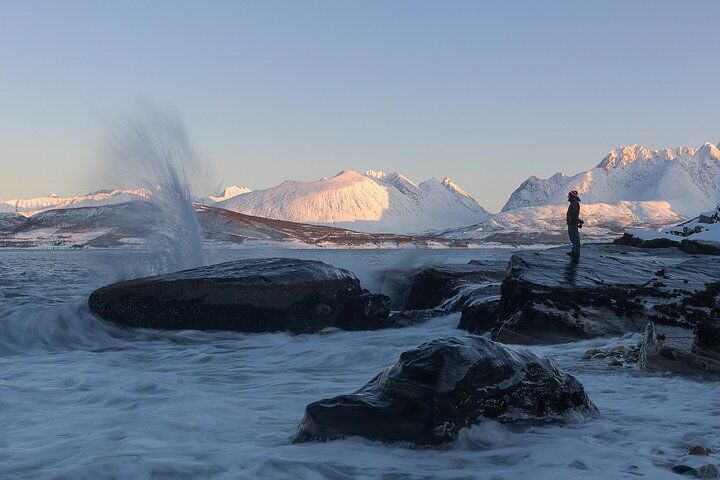
June through August offers the longest daylight and the most reliable weather for hiking and boat trips, with the midnight sun extending days in the north. Shoulder months of May and September bring fewer crowds and lower prices, though some mountain trails and seasonal ferries may have reduced schedules.
How to Get There
Bergen and Oslo both serve as common entry points by air, with Bergen closer to the western fjords and better connected to fjord cruises and the Flåm Railway. Domestic flights, trains, and coastal ferries link the smaller fjord towns for those building a longer itinerary.
Good to Know
Distances between fjords look shorter on a map than they take to drive, since roads wind around mountains and through tunnels, so build in more time than expected. Popular hikes like Trolltunga and Preikestolen require decent fitness, proper footwear, and an early start to avoid finishing in the dark, and both trails can close temporarily in poor weather, so checking conditions the morning of is worth the few extra minutes.
Few landscapes reward slow, deliberate travel like the fjords do — whether from a cruise deck, a mountaintop, or a train window, the scale of the place tends to sink in only after you’ve spent real time inside it. A week spent moving slowly between two or three fjord regions will likely stay with you longer than a rushed attempt to see them all.






Write Your Review
No reviews yet. Be the first to share your experience!