
This northern French region pairs D-Day history along its beaches with medieval abbeys, apple orchards, and the dramatic tidal island of Mont Saint-Michel.
Why Visit Normandy
Normandy carries deep historical weight as the site of the 1944 D-Day landings, with beaches, cemeteries, and museums preserving that history in detail. Beyond the war sites, the region’s coastline, cider country, and medieval architecture make it a rewarding stop on its own.
Top Experiences
- D-Day Landing Beaches: Omaha, Utah, and the surrounding beaches, along with the American Cemetery and museums.
- Mont Saint-Michel: A medieval abbey perched on a tidal island, one of France’s most recognizable landmarks.
- Bayeux Tapestry: An extraordinary 11th century embroidered account of the Norman conquest of England.
- Etretat cliffs: Dramatic white chalk cliffs and natural arches along the Alabaster Coast.
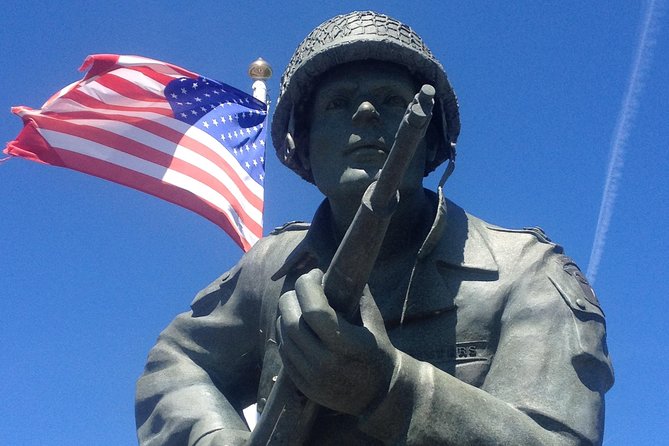

Normandy: Private Tour of the D-Day Beaches (American Sector)


Guided Tour in an Old Convertible Car on the Côte de Nacre


Private Tour of American Sites with an Expert Guide from DDAY
Practical Tips
- The D-Day beaches and Mont Saint-Michel are roughly two hours apart, so plan for at least two to three days to see both properly.
- Check tide times before visiting Mont Saint-Michel, since the surrounding bay floods at high tide.
- A rental car is the most practical way to cover Normandy’s spread-out sights.
FAQ
How many days do I need in Normandy?
Two to three days allows time for the D-Day sites, Mont Saint-Michel, and at least one coastal town.
Is Normandy good for a day trip from Paris?
Mont Saint-Michel and the D-Day beaches are both possible as long day trips, though an overnight stay is more comfortable.
What is Normandy known for?
D-Day history, Mont Saint-Michel, and its cider and apple orchards.






Write Your Review
No reviews yet. Be the first to share your experience!