
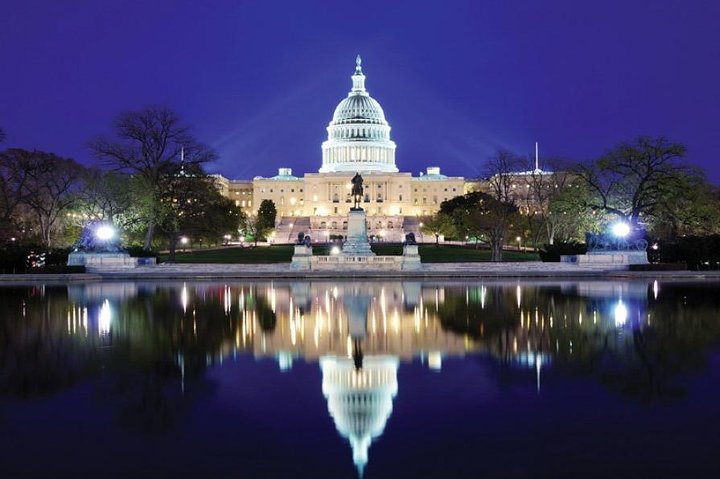
Stretching roughly two miles between the Capitol and the Lincoln Memorial, the National Mall is the closest thing America has to a civic front lawn. It’s home to towering monuments, a run of free Smithsonian museums, and enough open green space to make even a packed itinerary feel manageable, provided you plan your route before you start walking.
Related: Washington DC Travel Guide: National Mall, Smithsonian Museums & Mount Vernon (2026)
Originally envisioned by city planner Pierre L’Enfant in the 1790s as a grand ceremonial avenue, the Mall didn’t take its current form until a major redesign in the early 20th century added most of the monuments and museums visitors recognize today. It remains federally protected land, which is part of why its sweeping, largely unobstructed sightlines have stayed intact even as the city around it has grown.
Top-Rated National Mall Washington DC Tours & Tickets



Best Things to See on the National Mall
Ride to the Top of the Washington Monument
The 555-foot obelisk anchors the Mall visually from nearly every angle, and an elevator ride to the observation level near the top offers sweeping views across the entire city, including straight down the Mall itself.
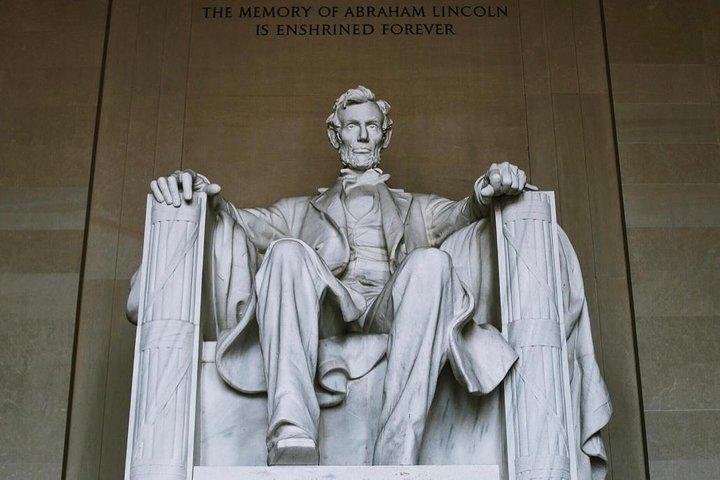
Walk the Reflecting Pool to the Lincoln Memorial
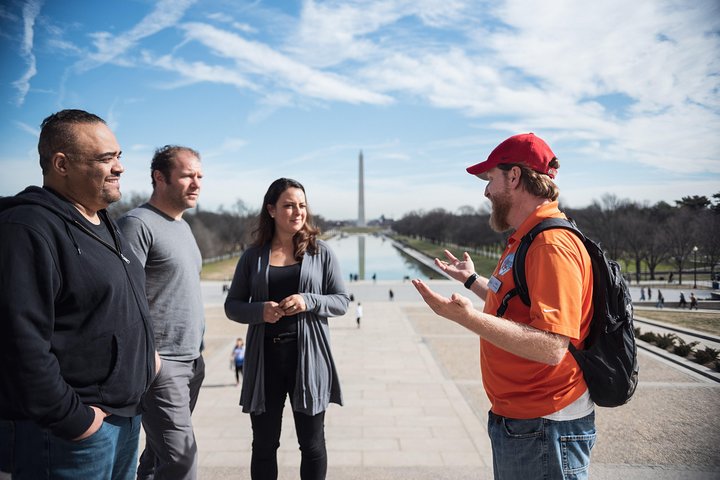
The long reflecting pool between the Washington Monument and Lincoln Memorial creates one of the most iconic sightlines in American civic architecture, especially striking at sunrise or sunset when the water mirrors the sky.
Pay Respects at the WWII Memorial
Fountains, pillars representing each state and territory, and a wall of gold stars honoring fallen soldiers make this a quietly powerful stop between the Washington Monument and Lincoln Memorial.
Trace the Vietnam Veterans Memorial Wall
The black granite wall, inscribed with the names of over 58,000 service members, is one of the most visited and emotionally resonant sites on the Mall, with volunteers on hand to help locate specific names.
Spend an Afternoon in the Smithsonian Museums
A row of free Smithsonian museums lines the Mall, covering everything from air and space to natural history, making it possible to combine monument-hopping with world-class museum visits in the same day.
Best Time to Visit
Early morning offers cooler temperatures and softer light, particularly valuable during Washington’s humid summers. Spring brings the added bonus of cherry blossoms near the Tidal Basin at the Mall’s southern edge.
How to Get There
The Smithsonian and Federal Triangle Metro stations both drop you within walking distance of the Mall’s central attractions, making the Metro the easiest way in without worrying about downtown parking.
Good to Know
The Mall is flat but genuinely long, so comfortable shoes matter more than you’d expect. Most monuments are free and open around the clock, while museum hours are typically limited to daytime, so plan museum visits earlier and save open-air monuments for evening if you want to see them lit up. Free shuttle trolleys and bike-share stations are available if the full length feels like too much on foot. Restrooms and water fountains are spaced along the Mall near the major museums, so it’s rarely a long walk to find one.
Few places pack as much American history into a walkable space as the National Mall, and even a partial visit leaves a strong impression of the country’s civic story. Bringing a printed or downloaded map is still worth it, since cell service can get spotty in spots along the Mall’s more open stretches. Public restrooms can be sparse between the larger monuments, so it’s worth using one whenever you pass a museum rather than waiting until you actually need it.









Write Your Review
No reviews yet. Be the first to share your experience!