
Ice caves and a glacier walk are the draw around Hofn, and they sort by effort: a cave visit asks for a short approach and sturdy boots, while a glacier hike adds crampons, an ice axe and real stamina. Four listings here, none carrying a price on this page.
Related: Best Tours & Experiences in Reykjavik Iceland
Ice Cave Adventures Dream Less Crowded for Photographing
An ice cave outing pitched at photographers who want quieter conditions. Ask about group size, which cave is visited and any lens or tripod advice, and remember that caves change every winter.
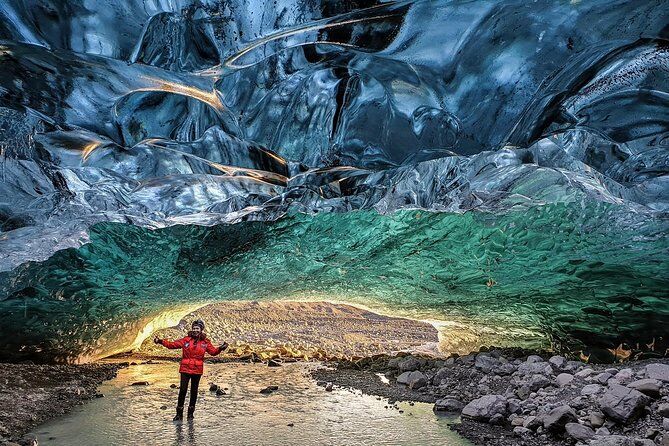
Ice Cave Tour in the National Park of Vatnajokull
A guided ice cave visit in Vatnajokull National Park. Confirm the departure point, because meeting places may be at a glacier lagoon or outpost rather than in Hofn, and check the season dates.
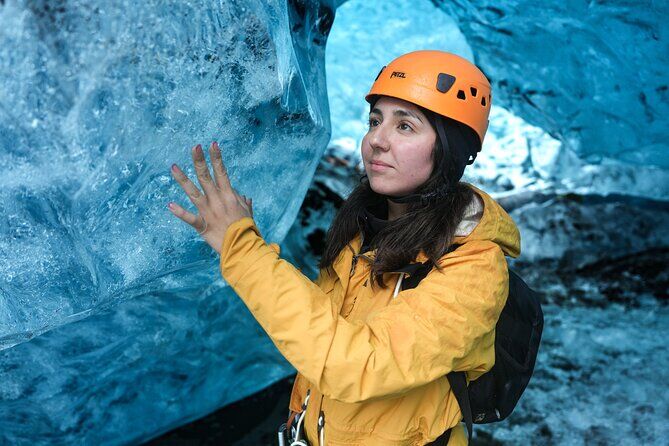
Ice Cave Tour
A general ice cave tour. The title is brief, so read the description for the cave, transport, meeting point and group size, and expect winter-only operation.
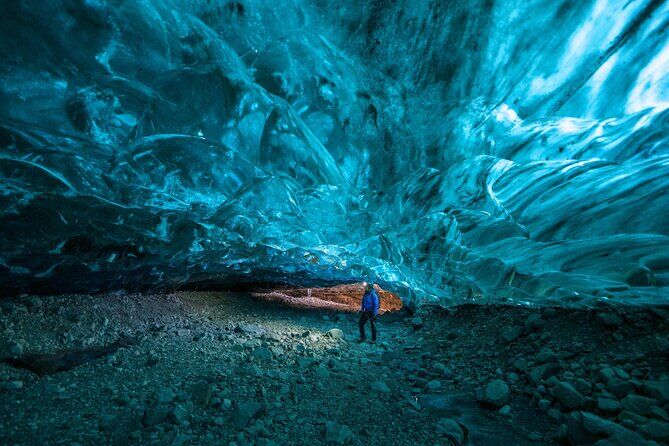
Glacier Walk
A guided glacier walk, normally with crampons and an ice axe supplied. Suits reasonably fit adults; confirm the gear provided, the minimum age and the length of the trip.
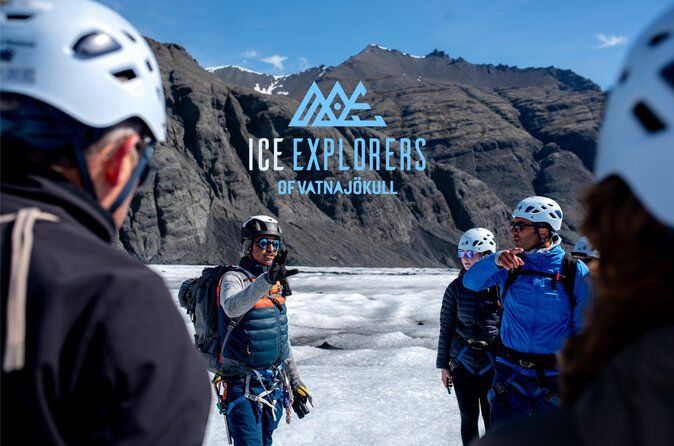
These experiences in Hofn Iceland are popular with travelers and tend to sell out, especially during peak season, so we recommend booking in advance to secure your spot.
How These Hofn Tours Were Chosen
Hofn is a small fishing town on Iceland’s southeast coast, with the Vatnajokull ice cap, one of Europe’s largest, rising behind it. The town is known for langoustine, locally called lobster, and for views across the fjord toward the glaciers.
What the tiers mean
Ice caves are the easier tier: a short approach, helmets and crampons supplied, and no technical skill. Glacier walks ask for balance, fitness and several hours on ice. Caves change each winter, so the one you visit may not match the photos in a listing.
Best Time to Book Hofn Tours
Natural ice caves typically open from roughly November to March, when meltwater has frozen and the ice is stable. Summer glacier walks run on the surface ice, usually May to September, while caves are generally unsafe then. Daylight is very short in midwinter.
Where to Sleep in Hofn
Hofn has guesthouses, hotels and a campground, and it is a natural overnight on the Ring Road, roughly 450 kilometers east of Reykjavik. Jokulsarlon is about an hour west, so many tours meet there rather than in town; pick a base that matches your meeting point.
Tour Prices in Hofn
No priced tours appear on this page, so check each listing for current rates. Prices depend on the season, group size and whether a modified vehicle is needed to reach the glacier edge.
Choosing Between the Top Hofn Tours
Unguided glacier access is unsafe without equipment and training, so tours are the practical option for both caves and walks. If you must choose, ice caves are easier and winter-only, while glacier walks run longer and suit stronger hikers.
Beyond the glacier
Nearby, the Stokksnes peninsula frames Vestrahorn mountain above black sand dunes, and a small entry fee usually applies. Jokulsarlon’s lagoon drifts icebergs toward Diamond Beach, and Hofn’s harbor restaurants serve langoustine.
Before You Book in Hofn
Wear waterproof layers, wool base layers and sturdy boots. Operators usually supply crampons and helmets, but confirm. Pack a thermos, snacks and sunglasses for glare, and check road and weather alerts the evening before, since winter conditions shift departure times.
Common Questions About Hofn Tours
When can you visit an ice cave near Hofn?
Generally from about November to March, when the ice is stable. Summer cave visits are not typical, so check the season in each listing.
Is Hofn a good base for Jokulsarlon?
Yes. The glacier lagoon is about an hour west by road, so many travelers stay in Hofn and drive out for morning or evening light.
Do ice cave tours depart from Hofn itself?
Some do, while others meet at Jokulsarlon or elsewhere along the Ring Road. Check the meeting point in the listing before choosing a hotel.
What should you wear on a glacier walk?
Waterproof layers, wool base layers, gloves and sturdy hiking boots. Operators typically supply crampons, helmets and ice axes, but confirm before you go.



Write Your Review
No reviews yet. Be the first to share your experience!