Wondering when to go to Mdina? As a Walled medieval silent city in Malta, it rewards a little planning: the right month can mean quieter sights, better light and lower prices.
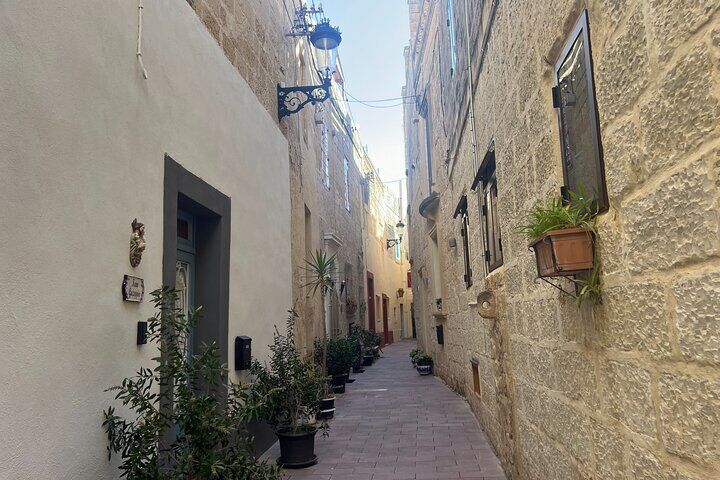
Mdina is a small walled city in central Malta, once the island’s capital, and it is known as the Silent City because of its quiet streets and limited traffic. Medieval and baroque buildings, narrow lanes and wide bastion views make it easy to enjoy in a few hours, and it is even more atmospheric after the day-trippers leave.
Short Answer: When to Go
Visit in spring (April to June) or autumn (September to November), when days are warm and the narrow lanes are comfortable to walk. Summer is hot with little shade, and winter is mild but can be windy and rainy.
Mdina Season by Season
| Season | Weather | Crowds and prices | Our take |
|---|---|---|---|
| Mar–May | Mild to warm, 13–24 °C (55–75 °F) | Moderate, busy around Easter | Ideal for wandering and photographing the walls |
| Jun–Aug | Hot and dry, 25–33 °C (77–91 °F) | Busy with day-trippers | Visit early or after sunset; midday sun is intense |
| Sep–Nov | Warm to mild, 17–30 °C (63–86 °F) | Moderate to quiet | Great for sightseeing with softer light |
| Dec–Feb | Cool and breezy, 9–16 °C (48–61 °F) | Quiet, with festive decor at Christmas | Atmospheric, with possible rain |
Events That Affect Timing
Holy Week processions at Easter are among the most important religious events in Malta. Village festas in nearby towns fill summer weekends with fireworks and marching bands. Dates vary, so check local calendars.
When to Avoid the Crowds
The quietest windows are early mornings, evenings and the weeks after Christmas. The busiest are Easter week, July and August, and weekends with cruise-ship day-trippers, when popular sights fill early and accommodation costs more, so book ahead if your dates overlap. Cars are mostly restricted inside the walls, so you will explore on foot. Wear shoes that handle uneven limestone, and stop at a bastion for views over the island.
Mdina Quick Facts
- Location: Malta.
- Type of place: Walled medieval silent city.
- Best time to visit: Visit in spring (April to June) or autumn (September to November), when days are warm and the narrow lanes are comfortable to walk. Summer is hot with little shade, and winter is mild but can be windy and rainy.
- Suggested time: half a day to 1 day, or 2 to 3 hours if you are short on time.
- Busiest: Easter week, July and August, and weekends with cruise-ship day-trippers. Quietest: early mornings, evenings and the weeks after Christmas.
What to Pack for Mdina
Bring comfortable shoes with good grip for polished limestone, a hat and sunscreen for summer, and a light jacket for windy winter evenings. Modest clothing covering shoulders and knees is expected in churches.

Common Timing Mistakes
- Visiting at midday in summer when shade is limited and tour groups arrive.
- Wearing slippery shoes on worn limestone paving.
- Assuming you can drive into the city, when access for visitors is limited.
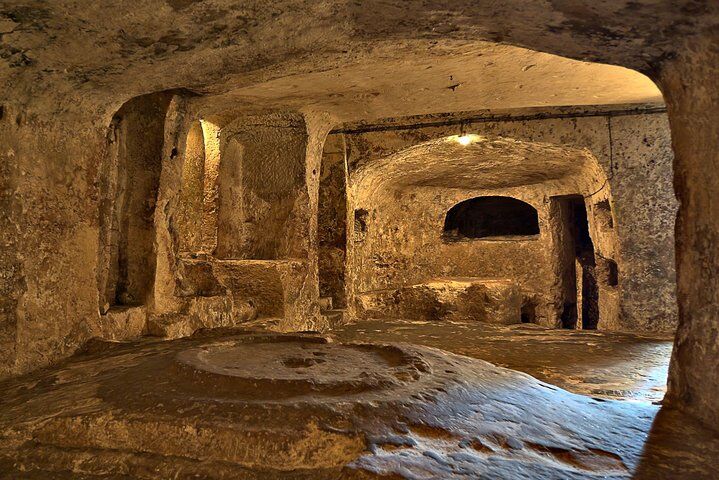
- Skipping Rabat, which has many of the area’s best catacombs and local food.
Getting There and Getting Around
Mdina is about 12 km from Valletta, with regular buses from Valletta and other towns taking around 30 to 45 minutes. Taxis and ride-hailing are also available. Parking is available outside the walls, and the old city itself is a short walk through the gate.
Top Sights in Mdina in Any Season
- Walk through the Main Gate: The baroque entrance over a former moat leads into the old city. The gate has been used in films and television, and the first view of the narrow streets is memorable.
- Wander the lanes: Narrow, shaded streets of honey-colored limestone, palaces and quiet courtyards give the city its silent nickname. Take your time and look up at the balconies and doorways.
- Visit St. Paul’s Cathedral: The baroque cathedral has a rich interior with a marble floor of tombstones. The adjacent museum holds paintings, coins and manuscripts.
Tours Worth Booking Whenever You Go
These are the best-reviewed options currently listed for Mdina, based on traveler ratings and review counts on Viator. Prices are starting prices and change with date and group size.
- Mdina and Rabat Walking Tour inc. Catacombs and St. Paul’s Grotto — rated 4.9 from 519 reviews, from $30.
Plan Your Trip
More Mdina planning help: best tours and experiences in Mdina, best time to visit, things to do, where to stay and how many days you need.
Frequently Asked Questions
What is the best month to visit Mdina?
Visit in spring (April to June) or autumn (September to November), when days are warm and the narrow lanes are comfortable to walk. Summer is hot with little shade, and winter is mild but can be windy and rainy.
When is Mdina least crowded?
The quietest times are early mornings, evenings and the weeks after Christmas. Peak pressure comes during Easter week, July and August, and weekends with cruise-ship day-trippers.
How many days do I need in Mdina?
Plan on half a day to 1 day for a comfortable visit, or 2 to 3 hours if you are short on time. Our guide to how many days you need in Mdina has a sample plan.
Are tours in Mdina good value?
We list 6 tours with prices starting around $9 and a typical starting price near $43. The most-reviewed option we list is Mdina and Rabat Walking Tour inc. Catacombs and St. Paul’s Grotto, rated 4.9 from 519 reviews and starting around $30.
Plan Your Tours in Mdina
Ready to book? See our full roundup of the best tours and experiences in Mdina for guided options, skip-the-line tickets, and day trips.